

RESOURCES
RESOURCES
RESOURCES
Filter Resources by

2026
· Report
· Battery360
Scope for Battery Aadhaar in India
Developed under the Battery Aadhaar Working Group, anchored by WRI India as part of Battery360, this report outlines the proposed scope for Battery Aadhaar—a national digital framework to uniquely identify and track batteries across their lifecycle in India. It identifies priority use cases, defines the data attributes needed to support them, examines key implementation challenges, and presents recommendations to inform the development of a national Battery Aadhaar framework.
2026
· Guideline
· UL Standards
ULSE Safety Guidelines for Safe Electric Vehicles in India
The ULSE Safety Guidelines for Safe Electric Vehicles in India outlines key recommendations to strengthen EV battery safety, testing, charging practices, and battery management systems across the country’s growing electric mobility ecosystem. Developed by UL Standards & Engagement (ULSE), these guidelines aim to support the development of a safe, secure, and sustainable EV ecosystem in India, with a strong focus on battery safety, testing, traceability, charging practices, and end-of-life considerations.

2026
· Report
· WRI India
Battery Aadhaar for India
Potential Pathways for a Domestic Battery Data Management Framework
2025
· Conference Proceeding
· WRI India
Development of data frameworks for battery circularity in India
WRI India brought together policymakers, OEMs, recyclers, and experts to chart a path for India’s battery circular economy.
2025
· News
· Battery360
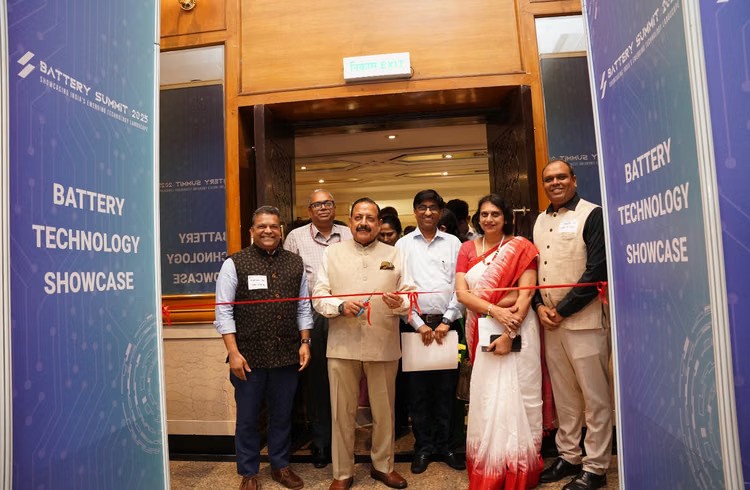
Battery Summit 2025 Brings Together Over 500 Participants to Discuss Energy Storage Innovation and Collaboration
The event brought together stakeholders from government, industry, and academia to discuss battery innovation, local manufacturing, circular economy practices, and policy support for India’s growing energy storage ecosystem.
2024
· Report
· CEEW
Strengthening India’s Clean Energy Supply Chains: Building Manufacturing Competitiveness in a Globally Fragmented Market
India has committed USD 4.56 billion (INR 36,492 crore) through PLI schemes to catalyse clean energy manufacturing. By 2030, the global clean energy market is expected to reach USD 640 billion annually, with India’s share projected at USD 40 billion (6%). This report outlines how India can reduce import dependence, capture high-value segments in solar, wind, and batteries, and position itself as a globally competitive hub amid China’s dominance and shifting geopolitical supply chains.
2024
· News
· Battery360
Powering sustainability with battery recycle and reuse
Battery manufacturing and recycling will not only support India’s transition to a low-carbon economy but also drive economic growth by reducing dependence on imported raw materials, creating jobs, and fostering innovation.
2024
· News
· Battery360
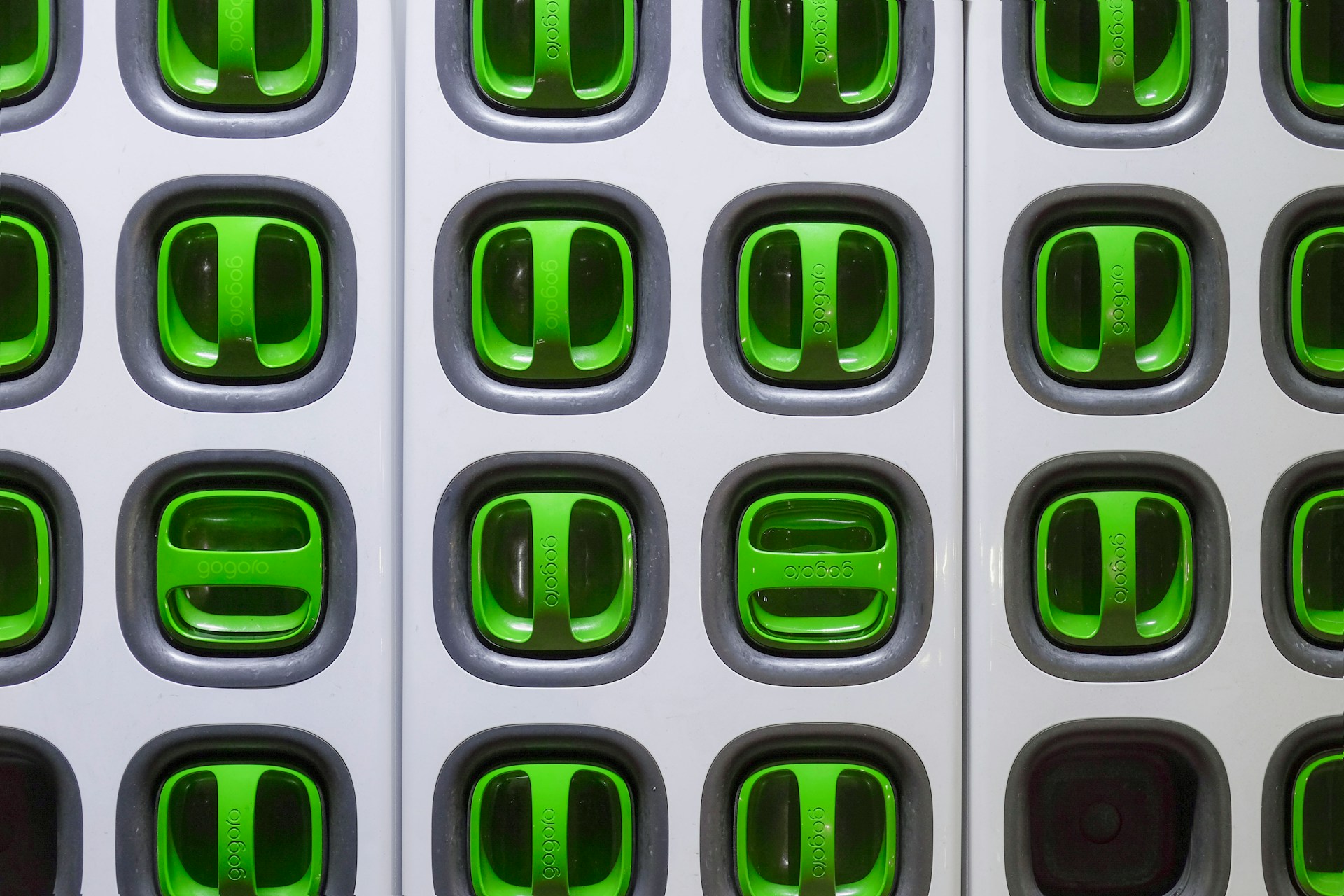
Battery360 Alliance launched to propel India’s sustainable battery ecosystem
By 2030, India hopes to sell 30 per cent of new cars that are electric (EVs), and the country is dedicated to constructing 425 GW of renewable energy (RE) capacity.
2024
· Conference Proceeding
· WRI India
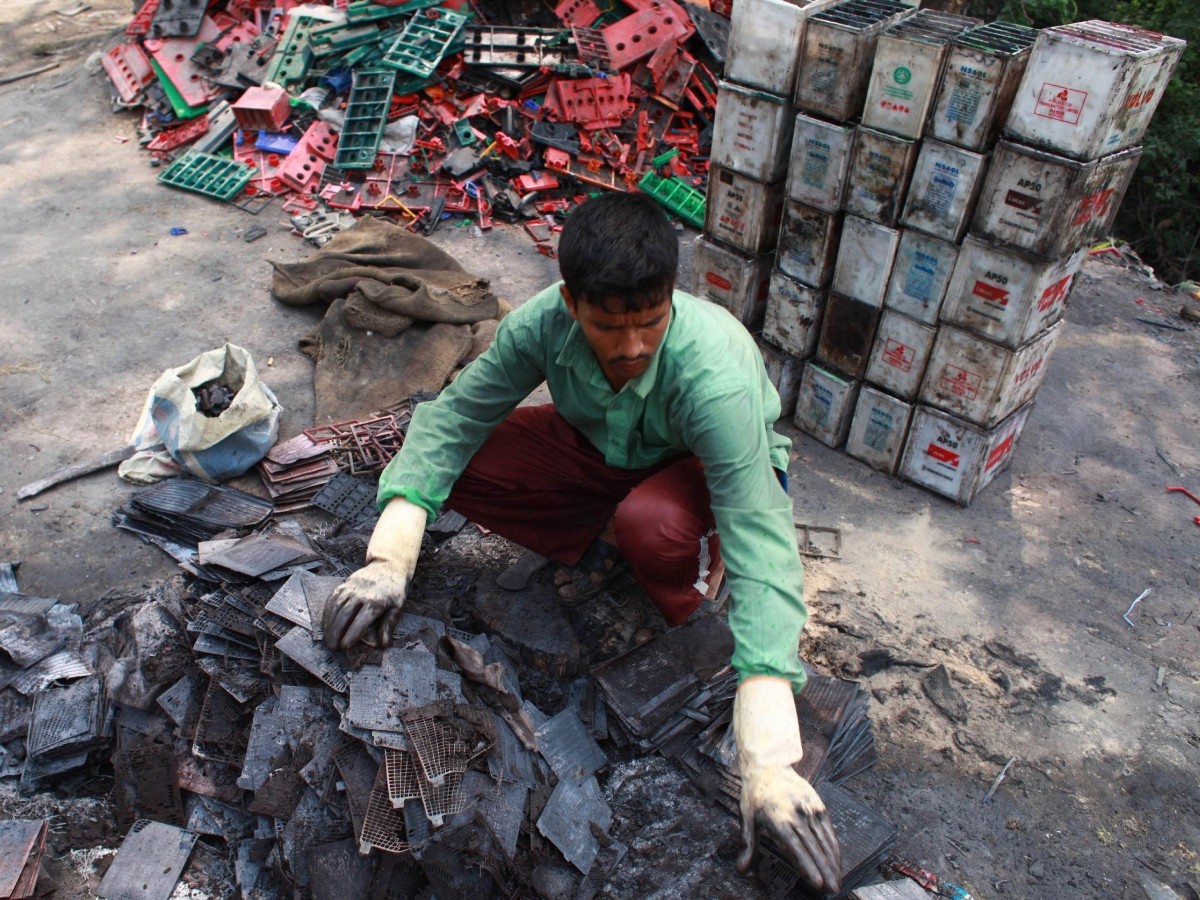
Battery Circularity in India: Policy, Regulations, and Implementation Strategies
India’s lithium-ion battery ecosystem is at a turning point. The 2022 Battery Waste Management Rules bring in recycling mandates and extended producer responsibility, aiming to cut dependence on mined minerals. Yet, weak reverse logistics, uneven enforcement, and an unprepared market remain a challenge, making stronger infrastructure and policy action essential for a truly sustainable future.
2024
· Conference Proceeding
· WRI India
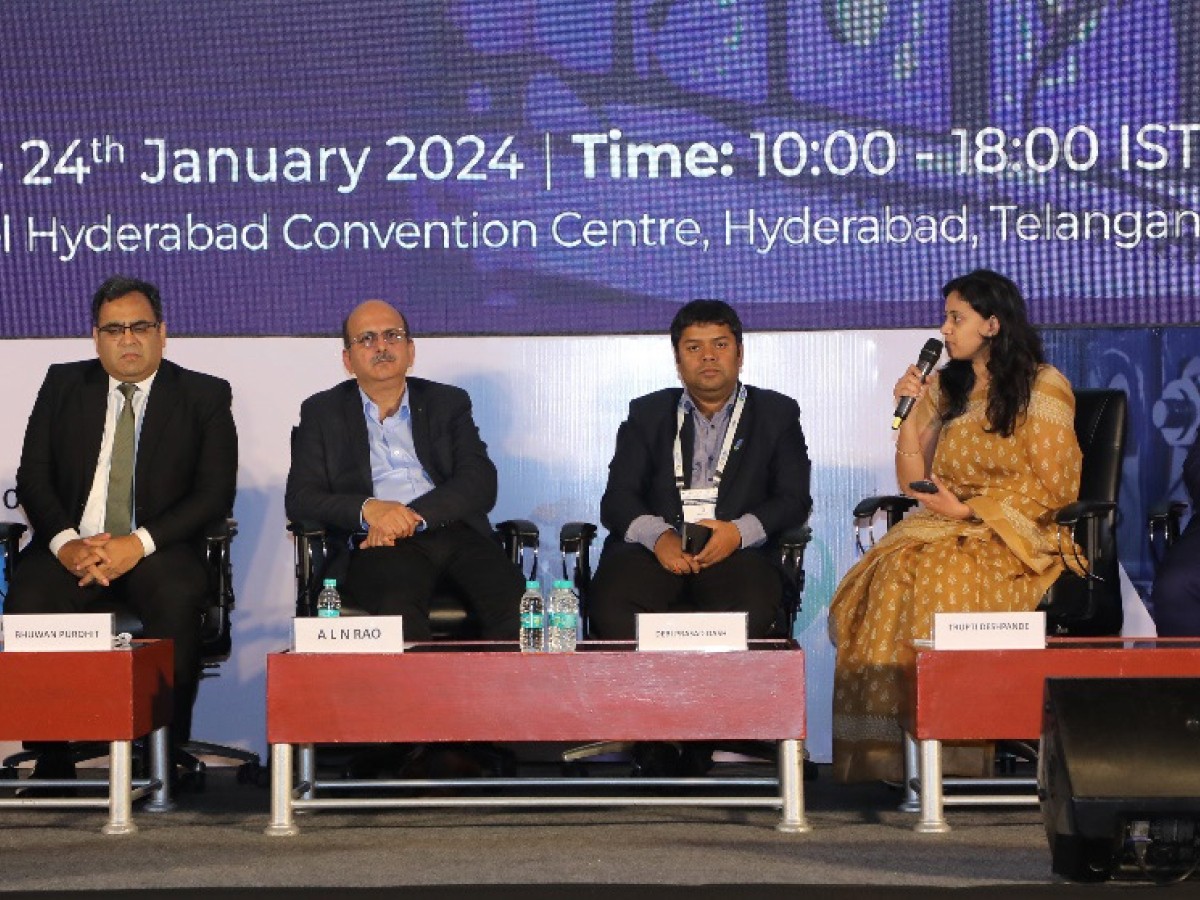
Battery Circularity and Raw Material Security in India
The global battery demand is set to rise to 4,700 GWh by 2030, with India alone needing nearly 785 GWh. Yet, we recycle barely 1% of end-of-life batteries today. The conference proceedings discuss regulatory gaps, implementation challenges, and the need for technological innovations to enable circularity in the LIB supply chain.
2024
· Working Paper
· WRI India
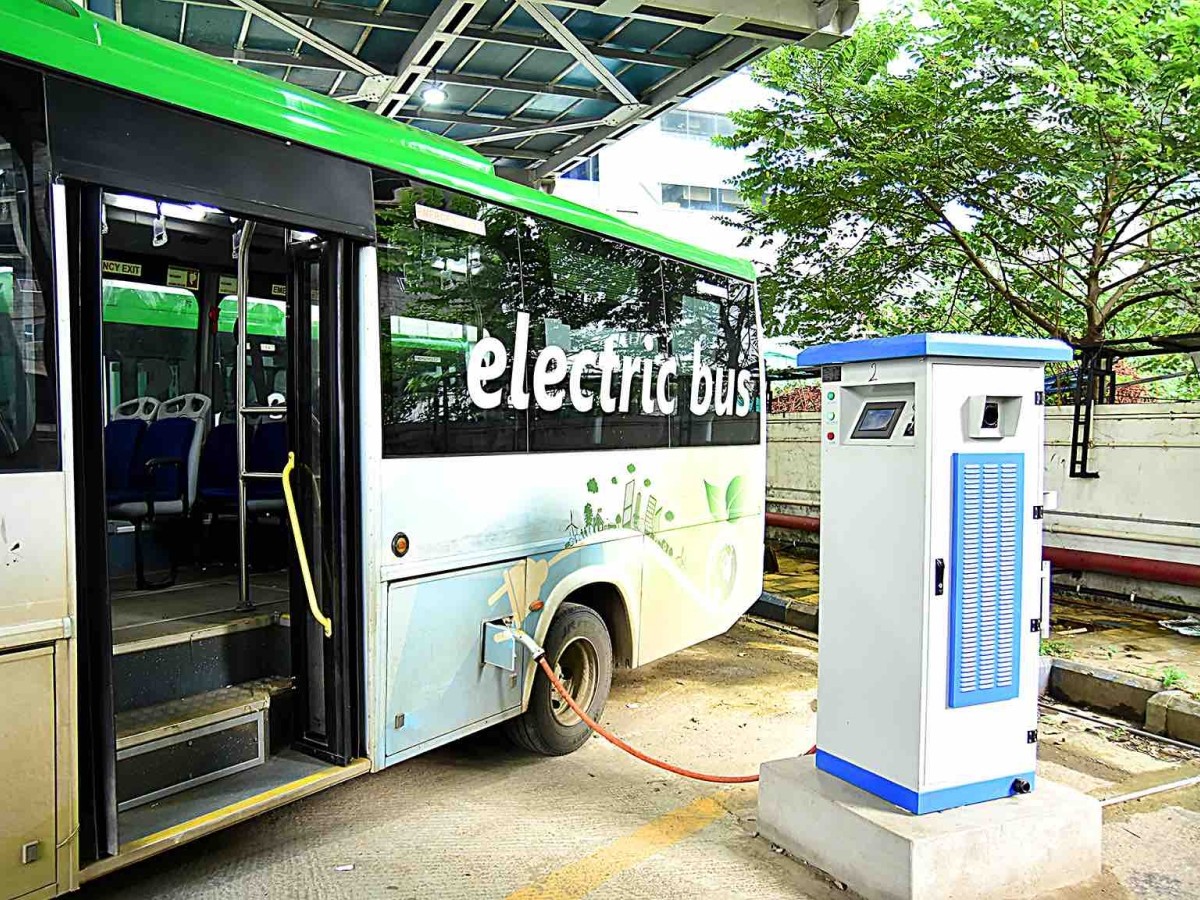
Real-world Electric Bus Operation: Trend in Technology, Performance, Degradation, and Lifespan of Batteries
Electrifying buses is key to cleaner public transport, but challenges like high upfront costs, weak supply chains, and limited charging networks slow progress. A major concern is battery aging—shaped by heat, charging habits, and usage—which affects both performance and economics. This paper explores how battery degradation impacts e-buses and outlines strategies to extend battery life for sustainable adoption in India.
2023
· Report
· CEEW
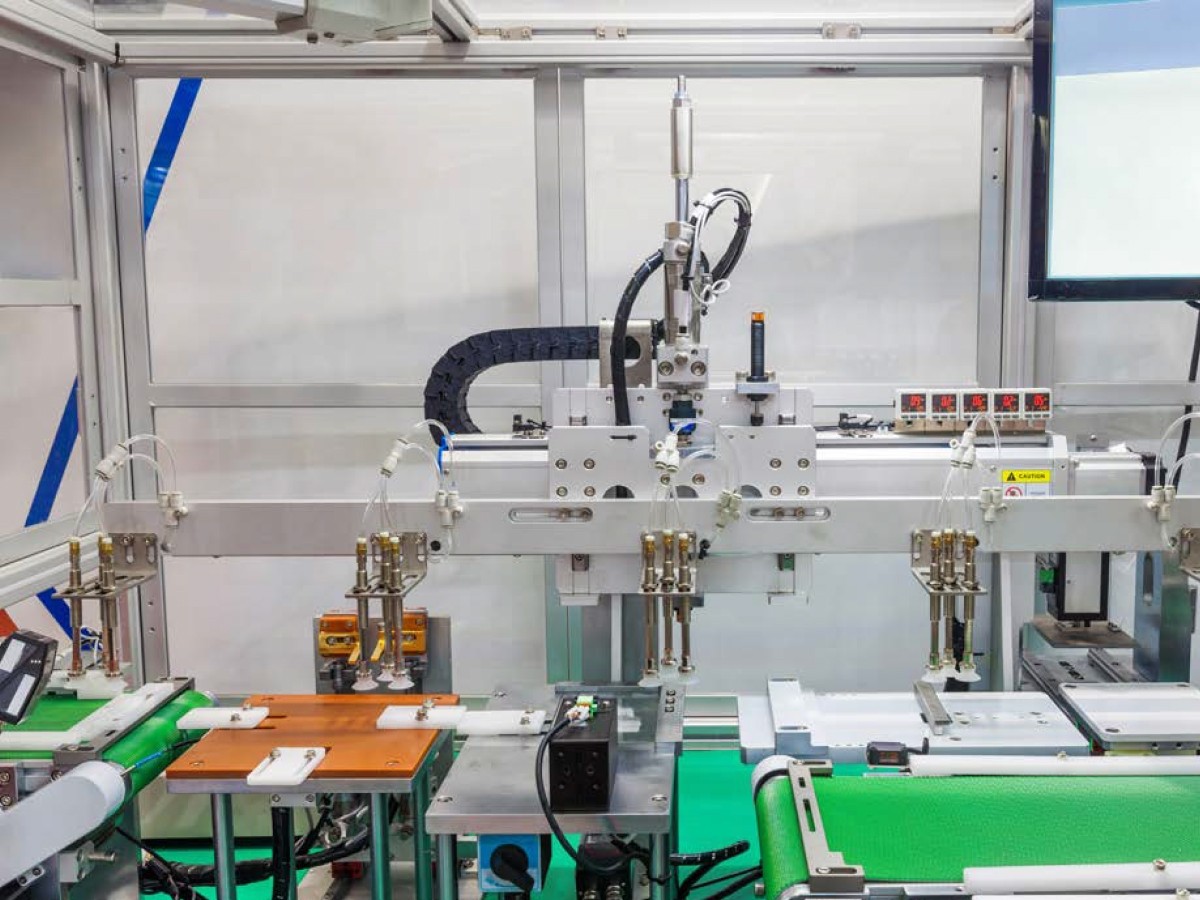
Addressing Technology Gaps through Technology Collaborations on Advanced Cell Chemistry Batteries
Global demand for batteries is set to grow 20% annually, reaching a USD 360–410 billion market by 2030. The transport sector alone will need 5,600 GWh of batteries to stay on track for net-zero by 2050. This report explores how international collaboration on advanced cell chemistry (ACC) can bridge cost, safety, and supply chain gaps, unlocking innovation for clean power and mobility.
2023
· Conference Proceeding
· WRI India
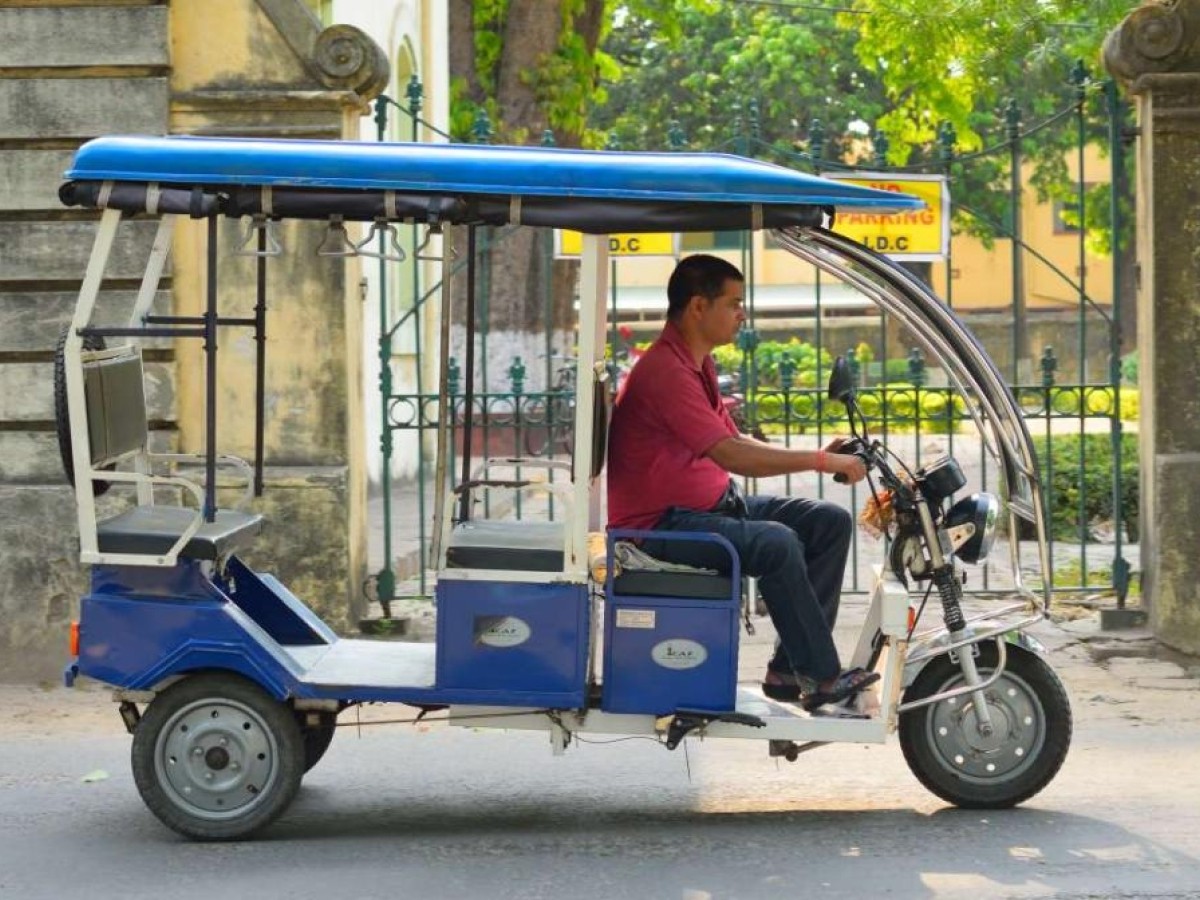
Roadmap for Alternative Batteries and Financing Ecosystem for E-Rickshaws in India
E-rickshaws are driving India’s EV shift, offering affordable last-mile connectivity and livelihoods. But financing gaps and battery sustainability remain major hurdles. WRI India’s workshops explored solutions. From easier access to finance to alternative battery technologies to cutting lifecycle emissions and building a more equitable, resilient e-rickshaw ecosystem.
2023
· Conference Proceeding
· WRI India
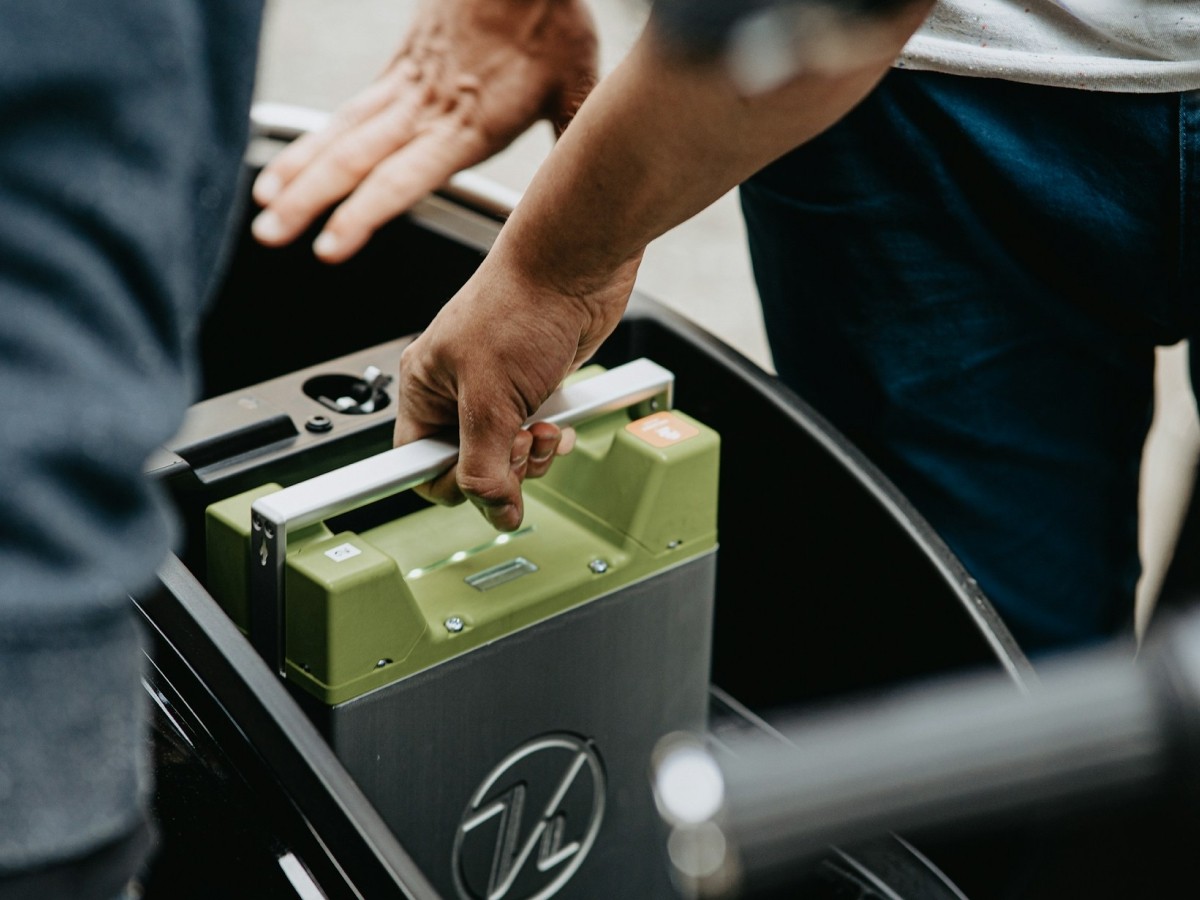
Enabling EV Battery Reuse and Recycling in India
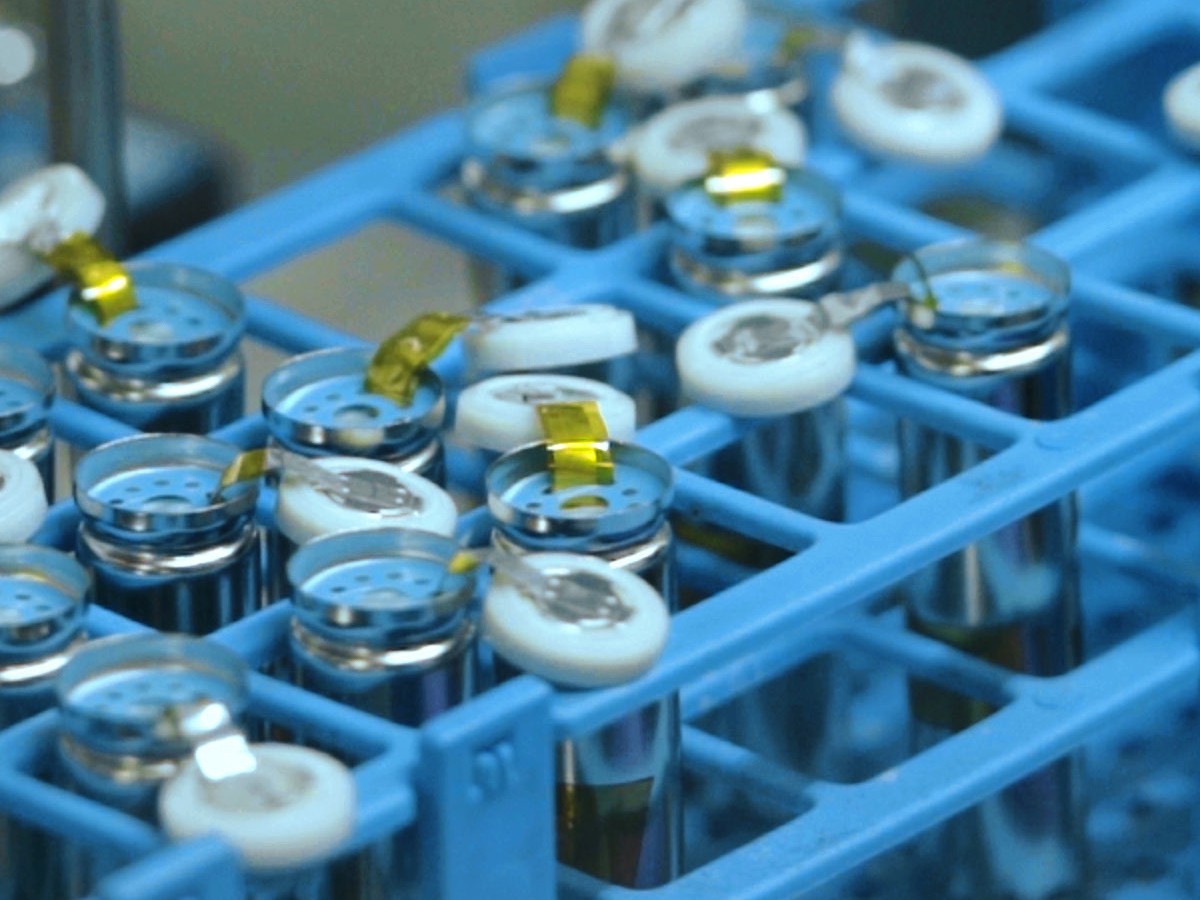
This conference proceedings examines the policies and regulations needed to enable the reuse and recycling of retired electric vehicle (EV) batteries in India. The document summarizes the proceedings of a focused group discussion hosted by WRI India in collaboration with Deutsche Gesellschaft für Internationale Zusammenarbeit (GIZ) India. The deliberations revolved around the challenges and gaps in the Battery Waste Management Rules 2022, safety concerns regarding lithium-ion batteries (LIBs), battery data management, and the need for reuse and recycling market development.
2023
· Issue Brief
· CEEW
How Can India Indigenise Lithium-Ion Battery Manufacturing?
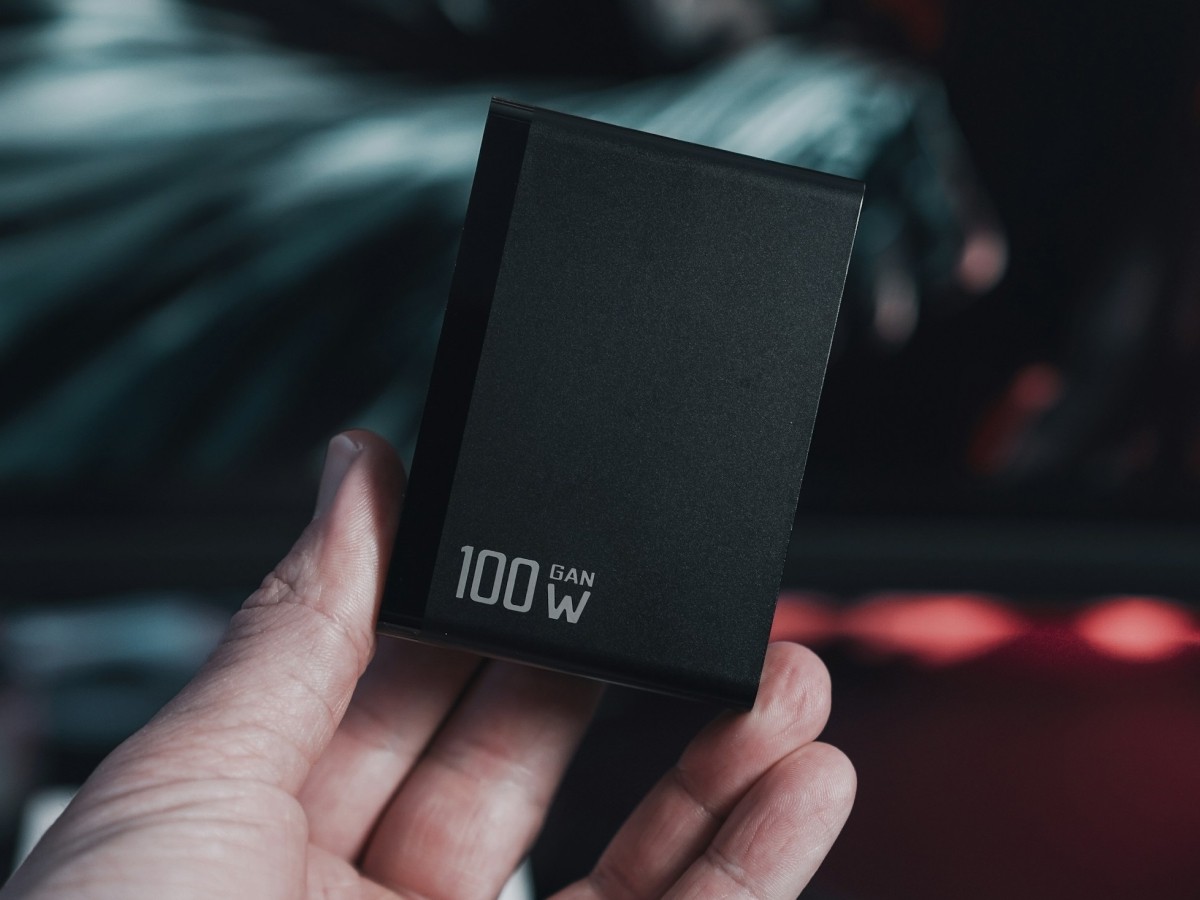
India’s energy storage needs could reach 903 GWh by 2030, driven by EVs and renewable integration. Meeting this demand domestically would require USD 4.5 billion investment for 50 GWh of cell manufacturing under the PLI scheme, along with nearly 1,452 kilotonnes of cathode materials, graphite, and electrolytes. The issue brief outlines strategies to indigenise the value chain—focusing on innovation in cell manufacturing, upstream component industries, and critical mineral sourcing—to reduce import dependence and build a resilient battery ecosystem.
2023
· Conference Proceeding
· WRI India
Safety Management for EV Battery Reuse and Recycling in India
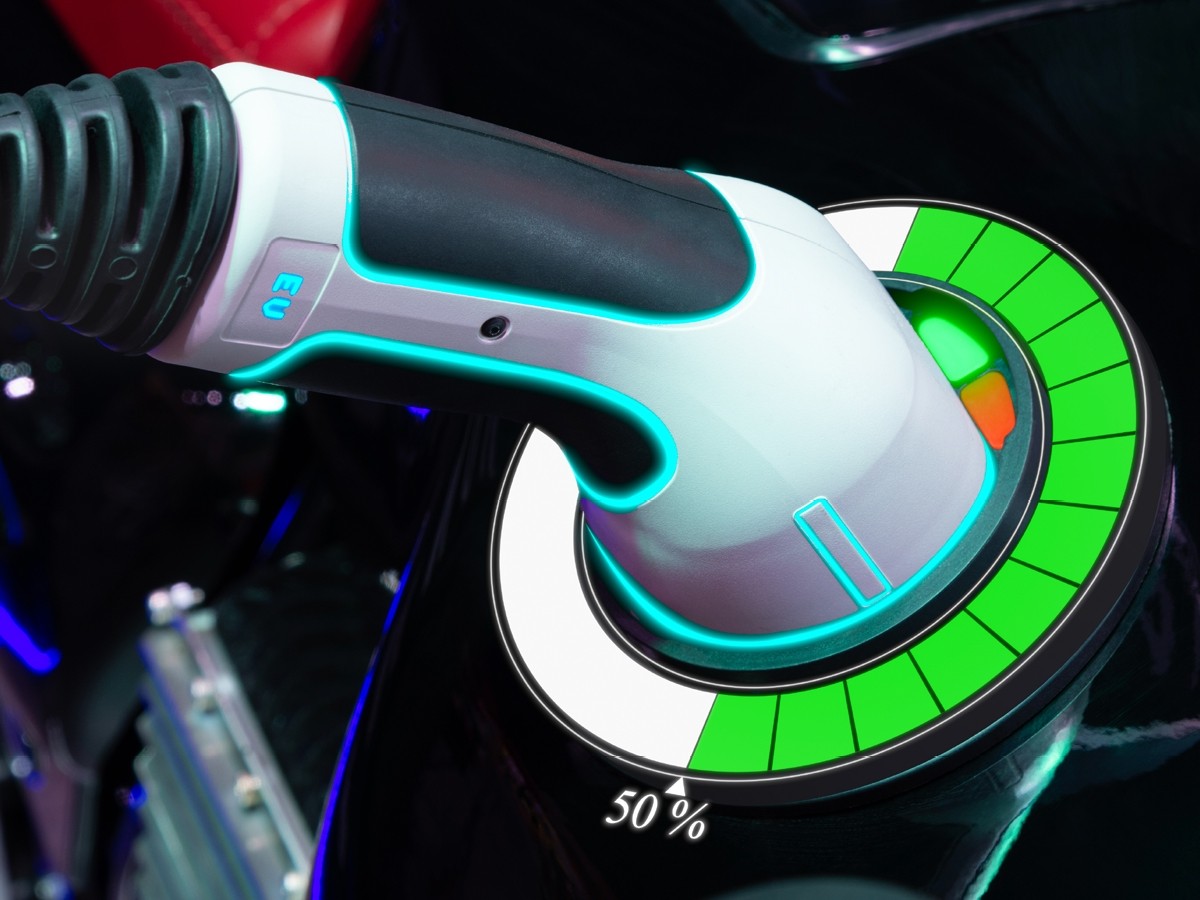
WRI India’s panel on Battery Safety for Reuse and Recycling, held at the Global EV Battery Safety Forum, highlighted both opportunity and risk. By 2030, EVs will drive 90% of LIB demand, opening space for 1.2 million tons of recycling and 200+ GWh of second-life use in India. Experts discussed safety risks, regulatory gaps, and the policies needed to build a secure and sustainable circular battery economy
2022
· Conference Proceeding
· WRI India
Safety Readiness of Electric Vehicle Batteries in India
World Resources Institute India (WRI India) hosted a webinar on ‘Safety Readiness of Electric Vehicle (EV) Batteries in India’ to raise awareness regarding the safety challenges of EV batteries and solutions to overcome them. This document highlights the insights shared by the panelists on the current safety concerns and the way forward for a safer EV battery ecosystem in India.
2026
· Report
· Battery360
Scope for Battery Aadhaar in India
Developed under the Battery Aadhaar Working Group, anchored by WRI India as part of Battery360, this report outlines the proposed scope for Battery Aadhaar—a national digital framework to uniquely identify and track batteries across their lifecycle in India. It identifies priority use cases, defines the data attributes needed to support them, examines key implementation challenges, and presents recommendations to inform the development of a national Battery Aadhaar framework.
2026
· Guideline
· UL Standards
ULSE Safety Guidelines for Safe Electric Vehicles in India
The ULSE Safety Guidelines for Safe Electric Vehicles in India outlines key recommendations to strengthen EV battery safety, testing, charging practices, and battery management systems across the country’s growing electric mobility ecosystem. Developed by UL Standards & Engagement (ULSE), these guidelines aim to support the development of a safe, secure, and sustainable EV ecosystem in India, with a strong focus on battery safety, testing, traceability, charging practices, and end-of-life considerations.
2026
· Report
· WRI India
Battery Aadhaar for India
Potential Pathways for a Domestic Battery Data Management Framework
2025
· Conference Proceeding
· WRI India
Development of data frameworks for battery circularity in India
WRI India brought together policymakers, OEMs, recyclers, and experts to chart a path for India’s battery circular economy.
2025
· News
· Battery360
Battery Summit 2025 Brings Together Over 500 Participants to Discuss Energy Storage Innovation and Collaboration
The event brought together stakeholders from government, industry, and academia to discuss battery innovation, local manufacturing, circular economy practices, and policy support for India’s growing energy storage ecosystem.
2024
· Report
· CEEW
Strengthening India’s Clean Energy Supply Chains: Building Manufacturing Competitiveness in a Globally Fragmented Market
India has committed USD 4.56 billion (INR 36,492 crore) through PLI schemes to catalyse clean energy manufacturing. By 2030, the global clean energy market is expected to reach USD 640 billion annually, with India’s share projected at USD 40 billion (6%). This report outlines how India can reduce import dependence, capture high-value segments in solar, wind, and batteries, and position itself as a globally competitive hub amid China’s dominance and shifting geopolitical supply chains.
2024
· News
· Battery360
Powering sustainability with battery recycle and reuse
Battery manufacturing and recycling will not only support India’s transition to a low-carbon economy but also drive economic growth by reducing dependence on imported raw materials, creating jobs, and fostering innovation.
2024
· News
· Battery360
Battery360 Alliance launched to propel India’s sustainable battery ecosystem
By 2030, India hopes to sell 30 per cent of new cars that are electric (EVs), and the country is dedicated to constructing 425 GW of renewable energy (RE) capacity.
2024
· Conference Proceeding
· WRI India
Battery Circularity in India: Policy, Regulations, and Implementation Strategies
India’s lithium-ion battery ecosystem is at a turning point. The 2022 Battery Waste Management Rules bring in recycling mandates and extended producer responsibility, aiming to cut dependence on mined minerals. Yet, weak reverse logistics, uneven enforcement, and an unprepared market remain a challenge, making stronger infrastructure and policy action essential for a truly sustainable future.
2024
· Conference Proceeding
· WRI India
Battery Circularity and Raw Material Security in India
The global battery demand is set to rise to 4,700 GWh by 2030, with India alone needing nearly 785 GWh. Yet, we recycle barely 1% of end-of-life batteries today. The conference proceedings discuss regulatory gaps, implementation challenges, and the need for technological innovations to enable circularity in the LIB supply chain.
2024
· Working Paper
· WRI India
Real-world Electric Bus Operation: Trend in Technology, Performance, Degradation, and Lifespan of Batteries
Electrifying buses is key to cleaner public transport, but challenges like high upfront costs, weak supply chains, and limited charging networks slow progress. A major concern is battery aging—shaped by heat, charging habits, and usage—which affects both performance and economics. This paper explores how battery degradation impacts e-buses and outlines strategies to extend battery life for sustainable adoption in India.
2023
· Report
· CEEW
Addressing Technology Gaps through Technology Collaborations on Advanced Cell Chemistry Batteries
Global demand for batteries is set to grow 20% annually, reaching a USD 360–410 billion market by 2030. The transport sector alone will need 5,600 GWh of batteries to stay on track for net-zero by 2050. This report explores how international collaboration on advanced cell chemistry (ACC) can bridge cost, safety, and supply chain gaps, unlocking innovation for clean power and mobility.
2023
· Conference Proceeding
· WRI India
Roadmap for Alternative Batteries and Financing Ecosystem for E-Rickshaws in India
E-rickshaws are driving India’s EV shift, offering affordable last-mile connectivity and livelihoods. But financing gaps and battery sustainability remain major hurdles. WRI India’s workshops explored solutions. From easier access to finance to alternative battery technologies to cutting lifecycle emissions and building a more equitable, resilient e-rickshaw ecosystem.
2023
· Conference Proceeding
· WRI India
Enabling EV Battery Reuse and Recycling in India
This conference proceedings examines the policies and regulations needed to enable the reuse and recycling of retired electric vehicle (EV) batteries in India. The document summarizes the proceedings of a focused group discussion hosted by WRI India in collaboration with Deutsche Gesellschaft für Internationale Zusammenarbeit (GIZ) India. The deliberations revolved around the challenges and gaps in the Battery Waste Management Rules 2022, safety concerns regarding lithium-ion batteries (LIBs), battery data management, and the need for reuse and recycling market development.
2023
· Issue Brief
· CEEW
How Can India Indigenise Lithium-Ion Battery Manufacturing?
India’s energy storage needs could reach 903 GWh by 2030, driven by EVs and renewable integration. Meeting this demand domestically would require USD 4.5 billion investment for 50 GWh of cell manufacturing under the PLI scheme, along with nearly 1,452 kilotonnes of cathode materials, graphite, and electrolytes. The issue brief outlines strategies to indigenise the value chain—focusing on innovation in cell manufacturing, upstream component industries, and critical mineral sourcing—to reduce import dependence and build a resilient battery ecosystem.
2023
· Conference Proceeding
· WRI India
Safety Management for EV Battery Reuse and Recycling in India
WRI India’s panel on Battery Safety for Reuse and Recycling, held at the Global EV Battery Safety Forum, highlighted both opportunity and risk. By 2030, EVs will drive 90% of LIB demand, opening space for 1.2 million tons of recycling and 200+ GWh of second-life use in India. Experts discussed safety risks, regulatory gaps, and the policies needed to build a secure and sustainable circular battery economy
2022
· Conference Proceeding
· WRI India
Safety Readiness of Electric Vehicle Batteries in India
World Resources Institute India (WRI India) hosted a webinar on ‘Safety Readiness of Electric Vehicle (EV) Batteries in India’ to raise awareness regarding the safety challenges of EV batteries and solutions to overcome them. This document highlights the insights shared by the panelists on the current safety concerns and the way forward for a safer EV battery ecosystem in India.
2026
· Report
· Battery360
Scope for Battery Aadhaar in India
Developed under the Battery Aadhaar Working Group, anchored by WRI India as part of Battery360, this report outlines the proposed scope for Battery Aadhaar—a national digital framework to uniquely identify and track batteries across their lifecycle in India. It identifies priority use cases, defines the data attributes needed to support them, examines key implementation challenges, and presents recommendations to inform the development of a national Battery Aadhaar framework.
2026
· Guideline
· UL Standards
ULSE Safety Guidelines for Safe Electric Vehicles in India
The ULSE Safety Guidelines for Safe Electric Vehicles in India outlines key recommendations to strengthen EV battery safety, testing, charging practices, and battery management systems across the country’s growing electric mobility ecosystem. Developed by UL Standards & Engagement (ULSE), these guidelines aim to support the development of a safe, secure, and sustainable EV ecosystem in India, with a strong focus on battery safety, testing, traceability, charging practices, and end-of-life considerations.
2026
· Report
· WRI India
Battery Aadhaar for India
Potential Pathways for a Domestic Battery Data Management Framework
2025
· Conference Proceeding
· WRI India
Development of data frameworks for battery circularity in India
WRI India brought together policymakers, OEMs, recyclers, and experts to chart a path for India’s battery circular economy.
2025
· News
· Battery360
Battery Summit 2025 Brings Together Over 500 Participants to Discuss Energy Storage Innovation and Collaboration
The event brought together stakeholders from government, industry, and academia to discuss battery innovation, local manufacturing, circular economy practices, and policy support for India’s growing energy storage ecosystem.
2024
· Report
· CEEW
Strengthening India’s Clean Energy Supply Chains: Building Manufacturing Competitiveness in a Globally Fragmented Market
India has committed USD 4.56 billion (INR 36,492 crore) through PLI schemes to catalyse clean energy manufacturing. By 2030, the global clean energy market is expected to reach USD 640 billion annually, with India’s share projected at USD 40 billion (6%). This report outlines how India can reduce import dependence, capture high-value segments in solar, wind, and batteries, and position itself as a globally competitive hub amid China’s dominance and shifting geopolitical supply chains.
2024
· News
· Battery360
Powering sustainability with battery recycle and reuse
Battery manufacturing and recycling will not only support India’s transition to a low-carbon economy but also drive economic growth by reducing dependence on imported raw materials, creating jobs, and fostering innovation.
2024
· News
· Battery360
Battery360 Alliance launched to propel India’s sustainable battery ecosystem
By 2030, India hopes to sell 30 per cent of new cars that are electric (EVs), and the country is dedicated to constructing 425 GW of renewable energy (RE) capacity.
2024
· Conference Proceeding
· WRI India
Battery Circularity in India: Policy, Regulations, and Implementation Strategies
India’s lithium-ion battery ecosystem is at a turning point. The 2022 Battery Waste Management Rules bring in recycling mandates and extended producer responsibility, aiming to cut dependence on mined minerals. Yet, weak reverse logistics, uneven enforcement, and an unprepared market remain a challenge, making stronger infrastructure and policy action essential for a truly sustainable future.
2024
· Conference Proceeding
· WRI India
Battery Circularity and Raw Material Security in India
The global battery demand is set to rise to 4,700 GWh by 2030, with India alone needing nearly 785 GWh. Yet, we recycle barely 1% of end-of-life batteries today. The conference proceedings discuss regulatory gaps, implementation challenges, and the need for technological innovations to enable circularity in the LIB supply chain.
2024
· Working Paper
· WRI India
Real-world Electric Bus Operation: Trend in Technology, Performance, Degradation, and Lifespan of Batteries
Electrifying buses is key to cleaner public transport, but challenges like high upfront costs, weak supply chains, and limited charging networks slow progress. A major concern is battery aging—shaped by heat, charging habits, and usage—which affects both performance and economics. This paper explores how battery degradation impacts e-buses and outlines strategies to extend battery life for sustainable adoption in India.
2023
· Report
· CEEW
Addressing Technology Gaps through Technology Collaborations on Advanced Cell Chemistry Batteries
Global demand for batteries is set to grow 20% annually, reaching a USD 360–410 billion market by 2030. The transport sector alone will need 5,600 GWh of batteries to stay on track for net-zero by 2050. This report explores how international collaboration on advanced cell chemistry (ACC) can bridge cost, safety, and supply chain gaps, unlocking innovation for clean power and mobility.
2023
· Conference Proceeding
· WRI India
Roadmap for Alternative Batteries and Financing Ecosystem for E-Rickshaws in India
E-rickshaws are driving India’s EV shift, offering affordable last-mile connectivity and livelihoods. But financing gaps and battery sustainability remain major hurdles. WRI India’s workshops explored solutions. From easier access to finance to alternative battery technologies to cutting lifecycle emissions and building a more equitable, resilient e-rickshaw ecosystem.
2023
· Conference Proceeding
· WRI India
Enabling EV Battery Reuse and Recycling in India
This conference proceedings examines the policies and regulations needed to enable the reuse and recycling of retired electric vehicle (EV) batteries in India. The document summarizes the proceedings of a focused group discussion hosted by WRI India in collaboration with Deutsche Gesellschaft für Internationale Zusammenarbeit (GIZ) India. The deliberations revolved around the challenges and gaps in the Battery Waste Management Rules 2022, safety concerns regarding lithium-ion batteries (LIBs), battery data management, and the need for reuse and recycling market development.
2023
· Issue Brief
· CEEW
How Can India Indigenise Lithium-Ion Battery Manufacturing?
India’s energy storage needs could reach 903 GWh by 2030, driven by EVs and renewable integration. Meeting this demand domestically would require USD 4.5 billion investment for 50 GWh of cell manufacturing under the PLI scheme, along with nearly 1,452 kilotonnes of cathode materials, graphite, and electrolytes. The issue brief outlines strategies to indigenise the value chain—focusing on innovation in cell manufacturing, upstream component industries, and critical mineral sourcing—to reduce import dependence and build a resilient battery ecosystem.
2023
· Conference Proceeding
· WRI India
Safety Management for EV Battery Reuse and Recycling in India
WRI India’s panel on Battery Safety for Reuse and Recycling, held at the Global EV Battery Safety Forum, highlighted both opportunity and risk. By 2030, EVs will drive 90% of LIB demand, opening space for 1.2 million tons of recycling and 200+ GWh of second-life use in India. Experts discussed safety risks, regulatory gaps, and the policies needed to build a secure and sustainable circular battery economy
2022
· Conference Proceeding
· WRI India
Safety Readiness of Electric Vehicle Batteries in India
World Resources Institute India (WRI India) hosted a webinar on ‘Safety Readiness of Electric Vehicle (EV) Batteries in India’ to raise awareness regarding the safety challenges of EV batteries and solutions to overcome them. This document highlights the insights shared by the panelists on the current safety concerns and the way forward for a safer EV battery ecosystem in India.
Lead the Charge for India’s Clean Energy Future




Designed and Developed by Figure&Plot
Lead the Charge for India’s Clean Energy Future
Designed and Developed by Figure&Plot
Lead the Charge for India’s Clean Energy Future
Designed and Developed by Figure&Plot